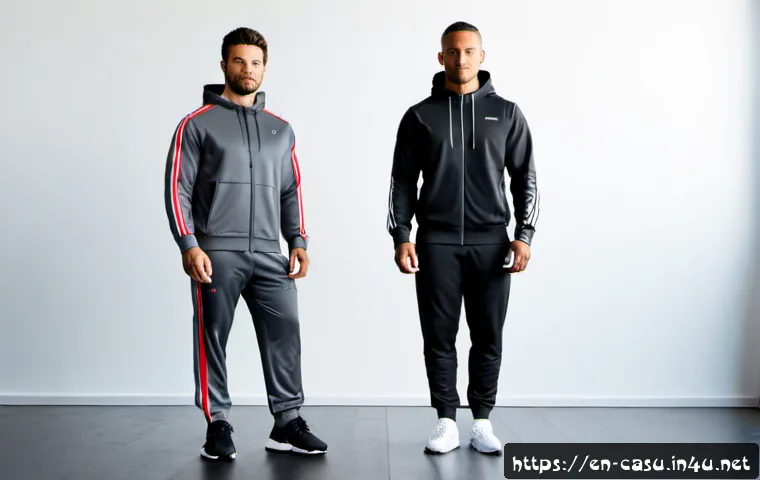
Adidas may be the better choice if you want versatile training wear that can move easily from warm-ups or the gym to casual everyday use. Under Armour may suit you better if you prefer a closer performance fit, including fitted and compression-oriented options.

Neither brand is automatically more durable, comfortable, or better value for every shopper. The best choice depends on your workout type, preferred silhouette, local weather, and the exact product specifications.
Before comparing activewear prices, check fabric composition, garment measurements, care instructions, and retailer return terms. Sale seasons, outlet stock, bundles, and promotions can change the value of either brand considerably.
Quick Look
- Choose Adidas when classic sportswear style, flexible layering, and casual versatility are high priorities.
- Consider Under Armour when performance-focused training apparel and a fitted or compression-style feel appeal to you.
- Compare the individual item, not just the logo: fabric blend, cut, care requirements, sale price, and return flexibility matter.
| Decision Factor | Adidas Training Wear | Under Armour Training Wear |
|---|---|---|
| General style direction | Sport-performance apparel alongside lifestyle-oriented athletic clothing. | Commonly associated with performance training apparel. |
| Fit options to explore | Check each product for relaxed, regular, or more athletic cuts. | Especially worth considering if you prefer fitted or compression-style options. |
| Best buying approach | Match the garment to layering needs, workout use, and casual wear plans. | Match the garment to movement needs, training intensity, and preferred body-hugging fit. |
| Value checks | Compare sale pricing, outlet availability, bundles, fabric details, and return terms. | Compare sale pricing, retailer promotions, fabric details, and return terms. |
| Durability check | Review care instructions for stretch fabrics and printed details. | Review care instructions for stretch fabrics and moisture-management performance. |
Quick Verdict: Choose Based on Training Style, Fit, and Budget
The practical answer is simple: buy the piece that fits your training routine and your wardrobe, rather than choosing by brand reputation alone. Adidas and Under Armour both cover common workout clothing categories, including tops, shorts, pants, jackets, and compression-oriented pieces. The important difference is often the specific cut and fabric of the item in front of you.
When Adidas may be the better match
Adidas can be a strong match when you want sportswear that works for training and everyday wear. A training jacket, pant, or top may be more useful when you also plan to wear it for travel, team days, errands, or casual layering. This does not mean every Adidas piece is loose or lifestyle-focused, so always read the fit description and garment measurements before ordering.
When Under Armour may be the better match
Under Armour may be a better fit for shoppers looking first at performance training clothing, especially fitted and compression-style options. A closer silhouette can appeal to people who dislike excess fabric during gym sessions, running, or drills. Still, fitted does not automatically mean better for every workout; comfort, mobility, and the product’s stated fabric details should guide the final choice.
The three checks to make before placing an order
First, confirm the fit category: relaxed, regular, fitted, or compression-oriented. Second, inspect the fabric composition and intended use, especially if you expect high sweat, outdoor conditions, or frequent layering. Third, compare the final activewear price with the retailer’s return and exchange terms, because size can vary across lines, cuts, and regions.
Fit, Fabric, and Workout Performance Compared
Fit and fabric are more useful comparison points than broad claims about which brand is “best.” Both brands offer different garments for different uses, so a lightweight training top should not be judged by the same standards as insulated outerwear or a compression base layer.
Relaxed, regular, fitted, and compression-oriented silhouettes
A relaxed fit can feel easier for warm-ups, casual use, and layering. A regular fit can be a middle ground for general gym training. Fitted and compression-oriented pieces may feel more streamlined, but ordering too small can make training less comfortable and create unnecessary return hassle. Use the size chart for the exact product, not a size assumption based on another item you already own.
Moisture management, stretch, breathability, and layering
Moisture-management features, stretch, breathability, and insulation vary by individual product. For a high-sweat indoor session, heavy fleece may not be the most practical choice. For outdoor warm-ups, a layerable top or jacket may be more useful than a single heavy garment. Look for the product description to see what the item is designed to do rather than assuming all training wear from one brand performs the same way.
What to inspect in product specifications
Check the fabric blend, fit label, intended activity, care label, and any notes about insulation or moisture management. Also inspect where stretch panels, zippers, pockets, and printed details sit if those features affect your workout. Product photos help with style, but specifications and garment measurements are more useful for deciding whether a piece suits your body shape and training preference.
Price and Long-Term Value: What Are You Actually Paying For?
Training apparel value is not just the ticket price. A garment can offer better value when it fits well, suits your actual workouts, and remains useful across gym sessions, warm-ups, travel, or casual wear. That is why comparing full-price items without checking seasonal sales or retailer promotions can give an incomplete picture.
Full-price versus sale-season buying
Sale pricing, outlet availability, bundles, and retailer promotions can significantly change the final value of Adidas or Under Armour workout clothes. If you are flexible about color or a prior product line, a sale may make it easier to build a practical training rotation. However, a lower price is not automatically a better deal if the remaining sizes do not fit or the return terms are restrictive.
Cost-per-wear for gym, running, and casual use
Think about cost per wear in practical terms. A top used for regular gym training may earn its place differently from a jacket worn for running warm-ups and everyday travel. If you only need a shirt for occasional workouts, a highly specialized option may not add much value. If you train often and need a specific fit or layering role, the right feature set can matter more than a small difference in price.
When premium features are worth the extra spend
Extra spending can make sense when a feature directly solves a recurring need, such as a preferred fit, useful layering function, or fabric characteristics you will use often. Do not pay more based only on a broad performance claim. Compare the specific garment details and consider whether the item will be worn frequently enough to justify the difference.
Common Buying Mistakes and How to Avoid Them
Most disappointing activewear purchases come from skipping basic checks. A few minutes spent reading specifications and retailer policies can be more valuable than relying on a familiar brand name.
Ordering the wrong fit for high-intensity training
A common mistake is buying compression gear too small because a tighter fit sounds more athletic. Compression-oriented does not mean restrictive. Check garment measurements and the product’s fit guidance, then keep return flexibility in mind. For high-intensity training, choose a silhouette that allows you to move comfortably through your normal range of motion.
Ignoring fabric care and shrinkage guidance
Care instructions can affect the lifespan of stretch fabrics, printed details, and moisture-wicking performance. Before buying several matching pieces, review the care label guidance for the exact item. This is particularly important if you expect frequent washing after gym sessions, running, or team practice.
Overlooking return windows and exchange options

Size availability and return policies can differ by retailer and region. Confirm the return window, exchange process, and condition requirements before removing tags or washing the item. This matters most when trying a new cut, ordering online, or choosing fitted activewear for the first time.
Best Match by Workout and Everyday Use
The best brand comparison becomes clearer when you start with where and how you will wear the clothing. One shopper may need a breathable gym top, while another needs layers for outdoor warm-ups or a coordinated travel outfit.
Strength training and indoor gym sessions
For indoor training, prioritize the fit that does not distract you and the fabric details that suit your sweat level. Under Armour may be worth closer inspection if you prefer a fitted performance feel. Adidas may be appealing if you want gym clothing that also works easily with casual athletic outfits. In both cases, avoid choosing heavy layers unless your routine actually calls for them.
Running, outdoor warm-ups, and cold-weather layering
For outdoor use, build around layering needs rather than choosing one brand by default. Inspect insulation, breathability, fit over base layers, and care guidance. A jacket or pant that works well for a warm-up may not suit a high-sweat run, so read the item description carefully before adding it to your cart.
Travel, team wear, and casual athleisure outfits
Adidas may stand out to shoppers who want athletic clothing with lifestyle versatility. For travel and team wear, coordinated layers, comfort, and repeat use may matter as much as workout-specific details. Under Armour can also work well here, but a closer fit may not be every shopper’s first choice for long periods of casual wear.
Selection Criteria and Comparison Summary
Choose based on the checks that matter right before purchase: your workout type, your preferred fit, the fabric blend, layering needs, care instructions, sale value, and retailer return terms. These points are more reliable than assuming one brand will always feel better or last longer.
Choose Adidas if these priorities matter most
Adidas may be your better match if you want sport-performance apparel alongside lifestyle-oriented athletic clothing, appreciate flexible styling, and expect to wear the same pieces for training, travel, and casual use. Confirm that the individual product provides the fit and fabric features you need for your workouts.
Choose Under Armour if these priorities matter most
Under Armour may be your better match if you are focused on performance training apparel and want to explore fitted or compression-style options. Check sizing carefully, especially when moving from regular-fit clothing to a closer silhouette. The right choice should feel appropriate for your movement and comfort preferences, not merely look technical.
Final pre-purchase checklist: fit, fabric, price, and returns
Check the exact size chart and garment measurements. Read the fabric composition and care label. Compare current pricing with sale, outlet, bundle, and promotion options. Make sure the garment suits your planned training conditions. Finally, review the retailer’s return and exchange terms before ordering. For current sizes, fabric details, and return conditions, check the relevant product and retailer pages directly.
Wrapping Up
Adidas versus Under Armour is not a one-winner decision. Adidas can make sense for shoppers who want training gear with classic sportswear and layering versatility, while Under Armour can be a natural option for performance-oriented and closer-fitting apparel. The better purchase is the piece that fits your workout, care routine, and budget after promotions are considered. Check the individual product details before treating either label as a guarantee of fit or performance.
Useful Things to Know
1. A size from one product line may not match another line or region.
2. Sale value depends on fit, intended use, and return flexibility—not only the discount.
3. Heavy fleece can be less practical for high-sweat sessions than a lighter training layer.
4. Care guidance helps protect stretch, prints, and moisture-management characteristics.
Important Notes
Fabric performance, comfort, durability, current inventory, pricing, discounts, regional sizing, and return policies must be checked for the exact item and retailer. Neither Adidas nor Under Armour is universally the better choice for every body shape, workout preference, climate, or budget.
Frequently Asked Questions
Q1. Is Adidas or Under Armour better for gym training?
A1. Either can work for gym training. Adidas may appeal if you want versatile athletic clothing that also fits casual wear, while Under Armour may appeal if you prefer performance-focused or fitted training options. Compare the exact top, shorts, pants, or layer by fit and fabric details.
Q2. Which brand offers better value when buying training clothes on sale?
A2. The better sale value depends on the specific item, its fit, expected use, care requirements, and return terms. Compare current sale pricing, outlet availability, bundles, and retailer promotions, then avoid buying a discounted item that does not suit your training needs.
Q3. Should I choose fitted Under Armour gear or a looser Adidas training outfit?
A3. Choose fitted or compression-oriented gear if you genuinely prefer a closer feel and have checked the garment measurements. Choose a looser or regular-fit option if you value easier layering, a less restrictive feel, or casual versatility. Review current sizes, fabric details, and retailer return terms before deciding.