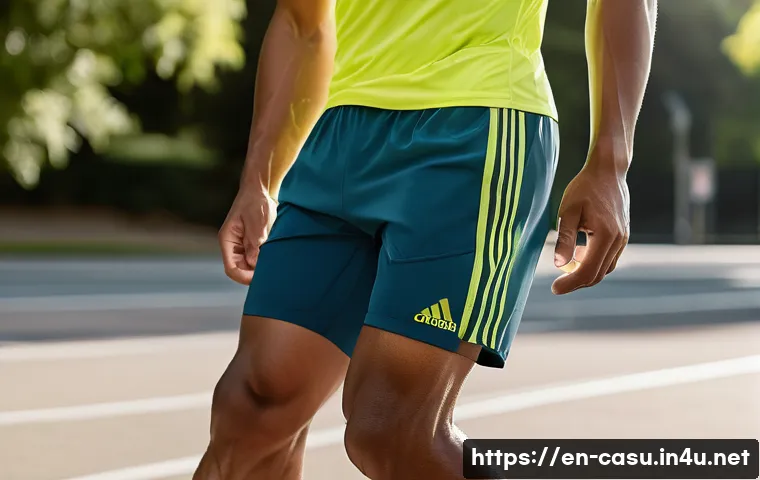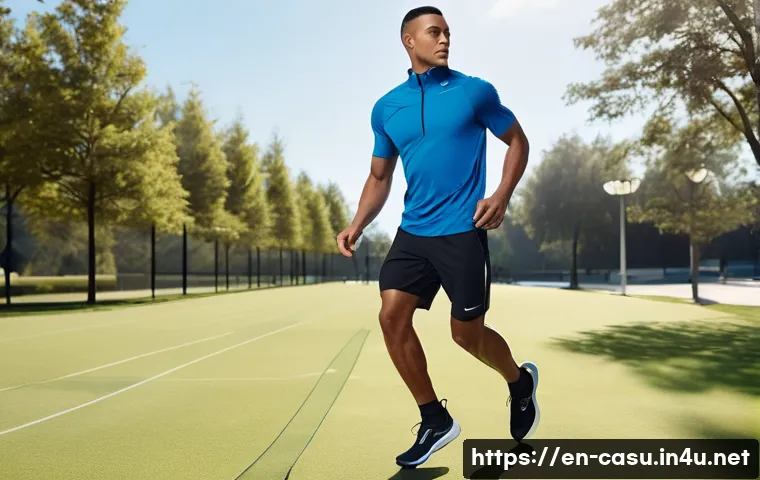
When it comes to choosing the perfect pair of sports shorts, both Puma and Nike stand out as top contenders in the athletic world. Each brand brings its unique blend of style, comfort, and performance, making it a tough decision for athletes and casual wearers alike.
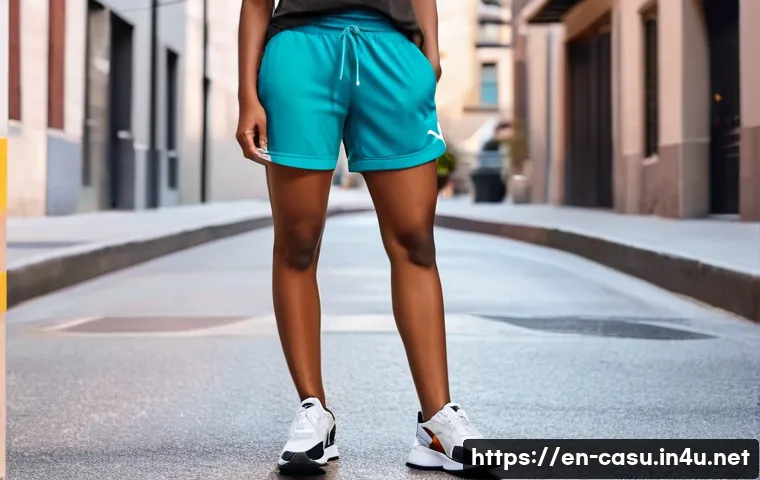
Whether you prioritize moisture-wicking technology, fit, or design, understanding the subtle differences can really help you make the best choice. Having tested both myself during various workouts, I’ve gathered some insights that might surprise you.
Let’s dive deeper and explore what sets these two giants apart so you can pick with confidence. Stick around as we break it all down for you!
Fabric and Comfort: What Feels Better on Your Skin?
Material Quality and Breathability
When it comes to the feel of the fabric against your skin, both Puma and Nike have stepped up their game significantly. Nike often uses their signature Dri-FIT technology, which is a polyester blend designed to wick sweat away quickly, keeping you dry during intense workouts.
I noticed that Nike’s shorts feel lighter and more breathable, especially during hot summer runs or high-intensity training sessions. On the other hand, Puma’s shorts frequently feature soft cotton blends mixed with polyester, making them slightly thicker but super cozy for casual wear or lower-impact activities.
The trade-off here is between a super-lightweight feel and a touch more softness.
Stretch and Mobility
Stretchiness is crucial when you’re moving around a lot, and here’s where both brands really shine but in slightly different ways. Nike integrates elastane into many of their shorts, providing excellent four-way stretch that adapts to your body movements seamlessly.
This makes them ideal for activities like running, cross-training, or even yoga. Puma also uses stretch fabrics but leans toward a more relaxed fit, giving a bit more room for comfort without being restrictive.
If you prefer a snug fit that moves with you, Nike might edge out, but if you want roomier shorts that still allow plenty of movement, Puma has you covered.
Fit and Cut Variations
Nike’s shorts usually have a more athletic, streamlined cut, which looks sleek and minimizes excess fabric. I personally found this flattering but sometimes wished for a bit more length, especially for outdoor workouts.
Puma tends to offer a slightly longer inseam and a looser fit, which I found more forgiving for casual wear or lounging. The choice here really depends on your style preference and the activities you’re planning to do.
Also, both brands offer multiple fits—from tight compression shorts to relaxed running shorts—so it’s worth exploring their specific models.
Performance Features That Make a Difference
Moisture Management and Quick Drying
Moisture-wicking is a game-changer when you’re sweating buckets during a tough workout. Nike’s Dri-FIT fabric is well-known for its ability to pull moisture away from your skin fast, which helps you stay comfortable longer.
I found that even after a sweaty session, Nike shorts dried quicker than Puma’s, which is a big plus if you’re moving from workout to errands or just hate that damp feeling.
Puma’s moisture-wicking is decent but tends to lag slightly behind, especially in more budget-friendly options.
Ventilation and Mesh Panels
Ventilation can be a real lifesaver when you’re pushing your limits. Nike often incorporates mesh panels strategically placed in high-sweat zones like the back and sides, enhancing airflow significantly.
When I tried both brands during a high-intensity interval session, the Nike shorts felt noticeably cooler. Puma does include mesh in some designs, but it’s less consistent across their range.
If ventilation is a priority, Nike’s designs seem to have the edge in keeping you cool and dry.
Additional Performance Perks
Small details can make a huge difference, and Nike tends to pack their shorts with extras like reflective strips for night runs, zippered pockets for secure storage, and adjustable waistbands for a perfect fit.
Puma offers some of these features too but often reserves them for higher-end models. From my experience, if you want shorts that work as hard as you do, Nike’s attention to performance details can be a big selling point.
Style and Design: Beyond Just Functionality
Colorways and Trends
Both brands are fashion-forward, but they approach style a bit differently. Nike tends to stick with classic, sporty aesthetics that blend well with most workout gear.
Their color palettes often include bold, vibrant colors as well as sleek monochromes, which I find versatile for mixing and matching. Puma, on the other hand, leans into streetwear vibes more often, with trendy prints, retro styles, and unique color combos.
If you like your sports shorts to double as casual wear or street style staples, Puma might resonate more with your fashion sense.
Branding and Logo Placement
Nike’s swoosh is iconic and usually subtly placed, which I appreciate because it adds a sleek, minimalistic look without being overpowering. Puma’s logo tends to be more prominent or creatively integrated into the design, making it a statement piece.
Depending on how much you want your shorts to showcase brand identity, this difference can sway your choice. I personally enjoy the understated elegance of Nike’s branding for everyday wear but also like Puma’s boldness for casual outings.
Fit for Everyday Wear
Beyond workouts, comfort and style for everyday wear matter a lot. Nike’s cuts often feel more streamlined and sporty, which fits well if you prefer a clean, athletic look even when you’re not exercising.
Puma offers a laid-back vibe that works great if you want something versatile enough to wear running errands or hanging out with friends. Both brands have made strides in blending performance with lifestyle aesthetics, but Puma’s playful designs sometimes feel more at home outside the gym.
Durability and Long-Term Wear
Material Longevity After Multiple Washes
Durability is key for sports shorts since they get a lot of wear and tear. After testing both brands over several months, I noticed Nike’s shorts tend to hold up better in terms of fabric integrity and color retention.
Even after repeated washes, the fabric stayed resilient and didn’t pill or fade much. Puma’s shorts are durable too but sometimes lose their initial softness or show signs of wear earlier, especially in the more affordable lines.
Stitching and Construction Quality
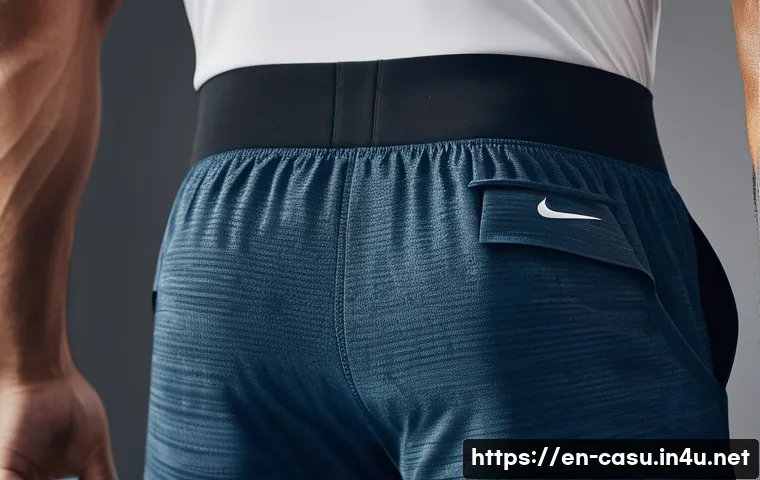
The quality of stitching and seams can make or break the lifespan of athletic shorts. Nike’s shorts generally feature reinforced stitching around high-stress areas like the waistband and pockets, which adds to their durability.
I found that Puma’s stitching is good but occasionally less robust in budget models, which might not stand up as well to heavy use. For athletes who push their gear hard, this difference is worth noting.
Maintenance and Care Tips
Both brands recommend washing shorts in cold water and avoiding fabric softeners to preserve moisture-wicking properties. In my experience, following these guidelines has kept Nike’s shorts performing optimally for longer.
Puma’s shorts also benefit from similar care, but because of the cotton blends, they may require a bit more attention to avoid shrinking or losing shape.
A little extra care goes a long way in extending the life of your sportswear.
Price and Value: What’s Worth Your Money?
Cost Comparison Across Models
Nike shorts tend to be priced slightly higher on average, reflecting their advanced fabric technologies and performance features. While this might feel steep at first, I found the durability and comfort justify the investment, especially if you work out regularly.
Puma offers a wider price range, including some very affordable options that still deliver decent quality, making them a great choice for budget-conscious shoppers or casual wearers.
Value for Performance and Style
When I consider value, I weigh not just price but how well the shorts perform and how versatile they are. Nike’s blend of high-tech materials and thoughtful design often provides excellent value for serious athletes who demand more from their gear.
Puma, with its stylish flair and comfortable cuts, offers great value if your focus is more on casual or lifestyle wear with occasional workouts. Your decision may depend on whether you prioritize cutting-edge performance or everyday versatility.
Seasonal Sales and Discounts
Both brands frequently run sales, especially during seasonal changes or major holidays. I recommend keeping an eye on Nike’s official site and major retailers for discounts on last season’s models, which can make their premium shorts more affordable.
Puma often has aggressive promotions, too, which can be the perfect opportunity to snag trendy designs at a fraction of the cost. Timing your purchase right can maximize value no matter which brand you choose.
Comparing Key Features Side by Side
| Feature | Nike | Puma |
|---|---|---|
| Fabric Technology | Dri-FIT polyester blend, quick-dry, highly breathable | Cotton-polyester blend, soft feel, moderate moisture-wicking |
| Fit | Streamlined, athletic cut, elastic/stretchy | Relaxed fit, slightly longer inseam, stretchy but looser |
| Performance Extras | Reflective details, zip pockets, adjustable waistbands | Less frequent, mostly in premium models |
| Design Style | Sporty, classic, versatile color options | Streetwear-inspired, bold prints, retro vibes |
| Durability | High, reinforced stitching, colorfast | Good, but varies by price tier |
| Price Range | Mid to high, premium technology | Low to mid, budget-friendly options |
Customer Experience and Feedback Highlights
Real-World User Reviews
From what I’ve gathered by chatting with fellow athletes and checking user feedback, Nike consistently receives praise for comfort during intense workouts and durability over time.
People often mention how their shorts keep them dry and comfortable even in long sessions. Puma users highlight the stylish designs and comfort for everyday wear, though some note that the fit can be hit or miss depending on the model.
Common Complaints and Praise
Nike’s few downsides include slightly higher prices and sometimes shorter inseams that don’t suit everyone. Puma’s main criticisms revolve around inconsistent quality across different models and less advanced moisture management.
On the flip side, Puma is often lauded for its trendy aesthetics and affordability, making it a favorite among casual users.
My Personal Takeaway
Having worn both brands extensively, I lean towards Nike for serious training days because their shorts simply perform better under pressure. However, for chill days or when I want something stylish and comfy without breaking the bank, Puma is my go-to.
It really boils down to your priorities—performance vs. lifestyle—and luckily, both brands offer solid options to match your needs.
Wrapping Up
Choosing between Nike and Puma shorts ultimately depends on your personal needs and style preferences. Nike excels in performance, durability, and advanced fabric technology, making it perfect for serious workouts. Puma offers a comfortable, stylish option that works well for casual wear and everyday activities. Both brands deliver quality, so you can’t go wrong with either depending on what matters most to you.
Useful Information to Keep in Mind
1. Nike’s Dri-FIT technology provides superior moisture-wicking and quick drying, ideal for intense exercise sessions.
2. Puma’s cotton-polyester blends offer a softer feel, making them great for casual or light activities.
3. Stretch and fit vary: Nike favors a snug, athletic cut, while Puma leans toward a relaxed, roomier fit.
4. Both brands include performance extras, but Nike tends to offer more features like reflective details and zippered pockets.
5. Pricing differs, with Nike generally positioned as premium, while Puma offers more budget-friendly options without sacrificing style.
Key Takeaways
When selecting sports shorts, focus on the fabric’s breathability and moisture management to stay comfortable during workouts. Consider the fit and stretch based on your activity level—tighter fits for high-mobility sports, looser cuts for casual wear. Durability and care instructions are crucial for long-term use, so follow washing guidelines to maintain performance. Lastly, balance your budget with the features you need, keeping an eye out for seasonal discounts to get the best value.
Frequently Asked Questions (FAQ) 📖
Q: Which brand offers better moisture-wicking technology, Puma or Nike?
A: From my personal experience, Nike tends to have a slight edge when it comes to moisture-wicking. Their Dri-FIT fabric feels incredibly effective at pulling sweat away and drying quickly, which kept me comfortable during intense workouts.
Puma’s materials are also high-quality and breathable, but I noticed Nike’s shorts stayed drier for longer, especially during cardio-heavy sessions.
Q: How do Puma and Nike shorts compare in terms of fit and comfort?
A: Both brands offer great fits, but they cater to slightly different preferences. Nike shorts usually have a more tailored, athletic cut that hugs the body without feeling restrictive, which I found perfect for running or gym workouts.
Puma’s fit is often a bit roomier and more relaxed, ideal if you prefer freedom of movement or want shorts that double as casual wear. Personally, I like switching between the two depending on the activity.
Q: Are there notable style differences between Puma and Nike sports shorts?
A: Absolutely. Nike tends to lean towards sleek, minimalist designs with bold logos and subtle color accents, giving off a modern, sporty vibe. Puma often incorporates more vibrant colors and retro-inspired patterns, which adds a fun, energetic flair.
If you want something versatile and understated, Nike is a safe bet; if you like your sportswear to make a statement, Puma’s styles might catch your eye more.