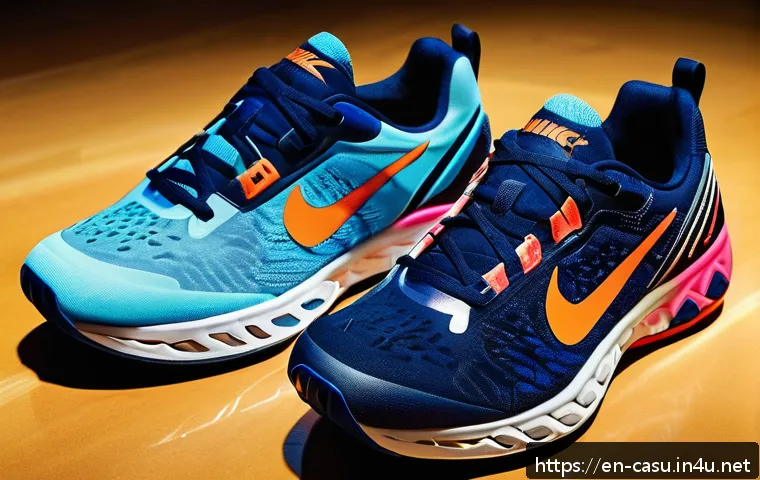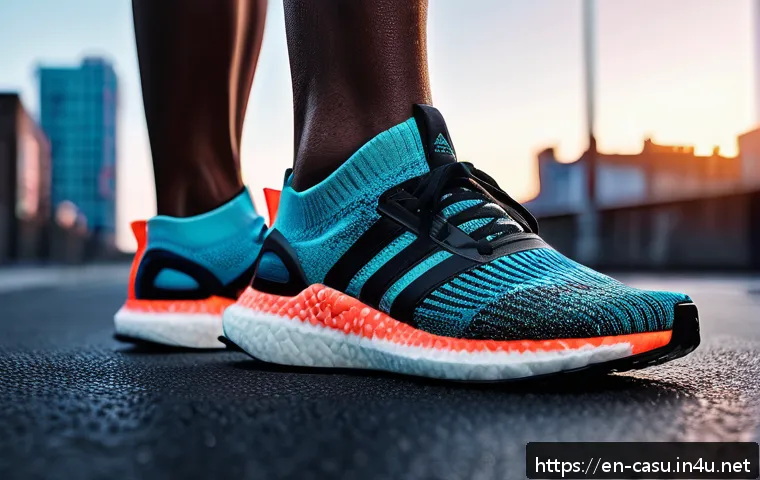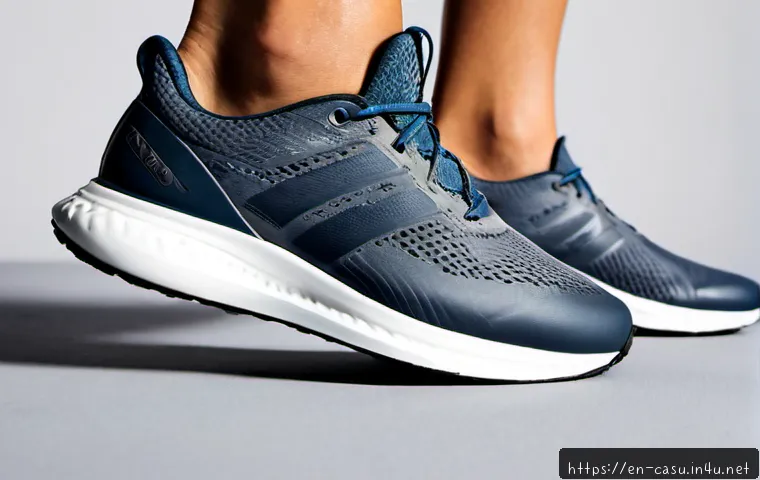
adidas Performance gear is most useful when your shoes and apparel need to match a specific sport, surface, or training routine. A lifestyle sneaker may be enough for casual walking and occasional wear, but dedicated running, training, court, or field footwear can offer more relevant cushioning, grip, structure, and movement support.

The right choice is not simply the most expensive model; it is the one that fits your activity, frequency of use, and comfort preferences. For apparel, mobility, moisture management, ventilation, and layering can make practical differences during workouts.
Before purchasing, compare fit guidance, current sizes, total cost, and the retailer’s return policy. This is especially important because details can vary by model, season, and region.
At a Glance
- adidas Performance products are designed for sports and athletic activity rather than primarily lifestyle wear.
- The best footwear category depends on your activity: running, gym training, court sports, and field sports require different priorities.
- Check fit, surface compatibility, key features, total cost, and return terms before choosing a pair or apparel item.
| Activity | Primary Features to Compare | Buying Priority |
|---|---|---|
| Running | Cushioning, ride feel, upper structure, road or trail traction | Match the shoe to distance, surface, and personal comfort |
| Gym Training | Stable platform, secure fit, multidirectional movement | Choose stability and versatility for your workout style |
| Court Sports | Grip, lateral support, sport-specific outsole design | Prioritize quick changes of direction and court traction |
| Field Sports | Surface-appropriate outsole, grip, support, fit | Match the footwear to the sport and playing surface |
What adidas Performance Gear Is Designed to Do
The Difference Between Sport-Focused Products and Lifestyle-Focused Products
adidas uses the Performance category for products intended for sports and athletic activity. That does not mean a lifestyle sneaker cannot be comfortable, or that every Performance item is necessary for every buyer. The practical difference is the intended use.
A sport-focused shoe is generally selected around movement demands. A runner may compare cushioning and road traction. A gym-goer may look for a stable base during varied movement. A court athlete may need grip and lateral support. Lifestyle-focused footwear is often the more sensible option when the main goal is everyday casual wear rather than regular sport participation.
Useful rule: choose by the activity you actually do most often, not by the appearance you hope will cover every situation.
Core Factors: Movement, Comfort, Support, Traction, and Durability
Performance footwear and sports apparel are built around several core purchase criteria. Movement matters because running straight ahead, lifting in a gym, cutting on a court, and playing on a field place different demands on footwear. Comfort matters because an otherwise suitable model may not work if the fit feels wrong during activity.
Support and upper structure can influence how secure a shoe feels. Outsole design and grip should be considered alongside the surface where you train or play. Durability is also a value question: a buyer using gear frequently may have different priorities than someone exercising occasionally.
Specific technologies, materials, and construction details can vary by model, season, and region. Read the product description for the exact pair or garment rather than assuming every adidas Performance item has the same features.
Quick Answer: When Dedicated Performance Gear Is Worth Considering
Dedicated performance running shoes or training footwear are worth considering when you train regularly, participate in a specific sport, or notice that your current casual shoes do not suit the movement or surface involved. A separate pair can also be practical when one shoe is being asked to handle incompatible activities.
For occasional exercise, a versatile trainer may be enough if it fits comfortably and aligns with the workout. For everyday walking, errands, and casual outfits, a lifestyle sneaker can be the simpler purchase. There is no single adidas Performance model that is universally best for every sport, foot shape, or comfort preference.
Compare Footwear by Activity Before You Buy
Running Shoes: Cushioning, Ride, and Road or Trail Traction
Running shoes should be compared with your usual route and running routine in mind. Cushioning affects underfoot feel, while the upper structure and fit affect how the shoe feels as you move. Traction should match the environment: road running and trail running can call for different outsole priorities.
Do not choose a running shoe only because it looks lightweight or because it is part of a newer collection. Instead, consider where you run, how often you run, and whether the shoe feels comfortable through your normal stride. If you have injury-related concerns or uncertainty about individual support needs, trying the product or consulting an appropriate professional may be helpful.
Training Shoes: Stable Platforms and Multidirectional Movement
Training footwear is often a better comparison point for gym sessions involving varied movement. A stable platform can be more relevant than a running-style ride when your workout includes exercises that require changing direction, standing securely, or moving across the floor.
A training shoe is not automatically the right answer for every gym visitor. If your routine is mostly treadmill running, compare running footwear as well. If your training mixes several activities, focus on a secure fit and the types of movement you repeat most often.
Court and Field Shoes: Grip, Lateral Support, and Sport-Specific Outsole Design
Court and field footwear should be selected with extra care because the surface is part of the product decision. Court sports commonly place emphasis on grip and lateral movement. Field sports require an outsole design appropriate to the sport and playing surface.
Using one casual sneaker for all activities may seem convenient, but it can ignore important differences in traction and movement demands. Before buying, identify the sport first, then compare the shoe category and outsole information for that use.
Comparison Table: Activity, Key Features, and Value Priorities
The comparison is simple: runners should begin with cushioning, ride, and route surface; gym users should begin with stability and movement range; court players should begin with grip and lateral support; field players should begin with sport-specific surface compatibility. This approach makes an athletic gear comparison more useful than comparing colors or release timing alone.
Performance Apparel Features That Matter in Real Workouts
Moisture Management, Ventilation, and Fabric Feel
Performance apparel commonly emphasizes moisture management, ventilation, and a fabric feel that supports exercise. These features can matter when you train in warm conditions, work out frequently, or prefer clothing that feels less restrictive during movement.
Still, the better option depends on the workout and personal preference. Someone doing occasional low-intensity activity may be satisfied with basic activewear. Someone training regularly may see more value in apparel that feels more comfortable during repeated sessions.
Mobility, Seams, Waistbands, and Layering
Look beyond the fabric label. Mobility can be affected by cut, seams, waistband feel, and how a garment sits during bending, reaching, running, or stretching. For outdoor training or changing conditions, layering options can be more useful than choosing one heavy item for every session.
Try to think in complete use cases. Will the item be worn alone, under another layer, or during a specific sport? Does it stay comfortable through the movements you do? These questions are more useful than assuming a premium-looking item will work for every workout.
When Premium Apparel Features May Justify a Higher Price
A higher-priced performance apparel item may be worth comparing when its fit, ventilation, mobility, or layering function suits your routine better than a basic alternative. The value is not the label alone. It is whether the feature solves a real need in your training.
For occasional use, a simpler item can be the better budget decision. Compare current product details, fabric information, available sizes, and retailer return conditions before deciding whether the added features are relevant to you.
Fit, Durability, and Common Buying Mistakes
Why the Right Size Can Differ Across Shoe Categories
Fit can vary across footwear models, including different adidas Performance categories. A size that feels suitable in one shoe may not feel the same in another due to the upper, intended movement, and overall construction. Use available sizing guidance, but treat it as a starting point rather than a guarantee.
Online shoppers should make fit checks part of the purchase decision. Review the seller’s return policy before ordering, especially when trying a new shoe category or model.

Test Points for Toe Room, Heel Hold, and Movement Comfort
When trying footwear, assess toe room, heel hold, and comfort while moving. The shoe should not feel like it creates unwanted pressure, and the heel should feel appropriately secure for the activity. Walk, bend, change direction, or mimic sport-specific movement when possible.
Comfort is individual. A product description can explain intended use, but it cannot confirm how a particular model will feel on your foot. If you are unsure, use return terms and available fitting options as part of your comparison process.
Mistakes to Avoid: Buying for Style Only, Ignoring Surface, and Skipping Return-Policy Checks
The first common mistake is choosing sports footwear by appearance alone. Style can matter, but it should come after the activity and surface are clear. The second is using one pair for incompatible activities without considering cushioning, grip, stability, or lateral movement needs.
The third mistake is skipping return-policy checks. Inventory, pricing, discounts, and availability may change by seller and location, so confirm the final terms at the point of purchase. A sale price is only a good value if the model fits the intended use and can be returned under terms you understand.
Choose Based on Your Training Routine and Budget
Occasional Exercisers Versus Frequent Runners and Team-Sport Players
An occasional exerciser may prioritize a comfortable, versatile option that works for a limited routine. A frequent runner may have stronger reasons to compare running-specific cushioning, fit, and route traction. Team-sport players should place more weight on the footwear category designed around their sport and surface.
Budget should be part of the decision from the start. There is no reason to pay for features that do not match your routine, but choosing only the lowest visible price can also overlook fit, intended use, and total ownership value.
Building a Practical Rotation Instead of Using One Pair for Everything
A practical rotation can mean using separate footwear for different major activities, such as running and gym training, when your routine makes that useful. This is not a requirement for every shopper. It is a way to avoid forcing one pair to handle movements and surfaces for which it was not intended.
Start with the activity you do most. Add another category only when your routine clearly calls for it. This keeps athletic gear purchases focused and can make footwear comparisons easier.
Comparing Sale Prices, Model Generations, and Replacement Timing
When comparing current models and sale options, look at the exact product rather than assuming one generation or version is automatically better. Product details may differ by region, season, and seller. A discounted model may be a sensible purchase if it fits your needs, is available in the right size, and has return terms you can accept.
Replacement timing depends on use, condition, comfort, and the activity involved. Avoid relying on a universal timeline. Inspect your footwear and reassess whether it still feels appropriate for its intended use.
Selection Criteria and Comparison Summary
Use this five-point check before ordering: activity—what sport or workout is the product for; surface—road, trail, court, field, or gym floor; fit—toe room, heel hold, and movement comfort; features—cushioning, grip, structure, ventilation, or layering; and total cost—current price, delivery terms where relevant, and return conditions.
Choose a performance model when its sport-specific function matches regular training or competition. Choose a versatile trainer when your workout is mixed and your movement needs are broad. Choose a lifestyle sneaker when casual wear is the main purpose and dedicated athletic features are not a priority.
Before finalizing a purchase, compare current models, prices, available sizes, and retailer return policies on the relevant product pages. Confirm the exact product specifications instead of relying on general category descriptions.
Final Thoughts
adidas Performance gear makes the most sense when it is matched to a real activity rather than selected as a general-purpose label. Running, training, court, and field footwear have different buying priorities, and apparel choices should reflect your movement and comfort needs. A careful fit check can matter as much as a feature list. Start with your routine, then compare the models that genuinely fit it.
Useful Information to Keep in Mind
1. The intended surface is part of the footwear decision, not a minor detail.
2. A comfortable fit can vary between shoe models and categories.
3. Dedicated sports footwear may offer more relevant value than a casual sneaker for regular, specific activity.
4. Apparel value often comes from mobility, moisture management, ventilation, and useful layering.
5. Current prices, availability, product specifications, and return terms should always be checked with the seller.
Important Considerations
Exact adidas Performance technologies, materials, construction, prices, promotions, and availability can vary by product model, season, region, and retailer. No footwear or apparel item is universally best for every activity, foot type, or personal preference. Product information can guide a comparison, but individual comfort and injury-related needs may require trying the item or seeking appropriate professional guidance when needed.
Frequently Asked Questions
Q1. What is the difference between adidas Performance shoes and adidas lifestyle sneakers?
A1. adidas Performance shoes are intended for sports and athletic activity, while lifestyle sneakers are primarily aimed at casual wear. Performance footwear should be compared by sport, movement needs, surface, cushioning, grip, and fit.
Q2. Are adidas Performance running shoes worth the higher price for beginner runners?
A2. They can be worth considering if you plan to run regularly and need footwear designed around running comfort, cushioning, and your usual surface. For occasional activity, the best value depends on your routine, fit, budget, and the specific model’s features.
Q3. How should I choose between adidas running shoes and training shoes?
A3. Choose based on your main activity. Running shoes should be compared for cushioning, ride, and road or trail traction. Training shoes are often more relevant for gym workouts involving stable footing and multidirectional movement.
Q4. Can one adidas Performance shoe work for both gym workouts and running?
A4. It may work for some routines, but running and gym training can have different priorities. Consider how much running you do, what exercises make up your gym sessions, and whether the shoe feels secure and comfortable for both uses.
Q5. What should I check before buying adidas Performance footwear online?
A5. Check the intended activity, surface suitability, sizing guidance, toe room and heel-hold expectations, exact model details, total cost, and the retailer’s return policy. Compare current models, prices, sizes, and return terms before placing the order.