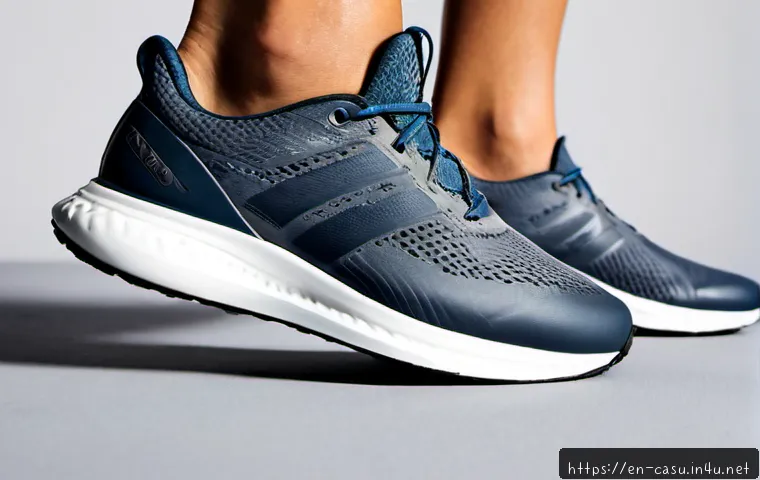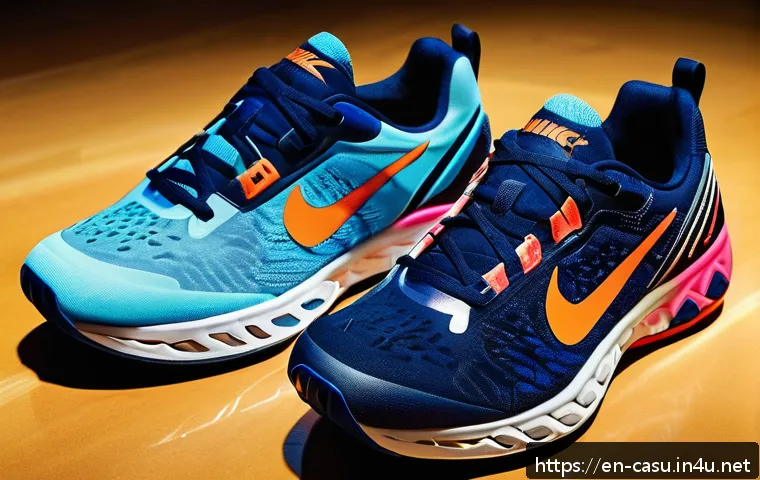
Lately, the running shoe market has been buzzing with exciting innovations from both Adidas and Under Armour, making it tougher than ever to pick the perfect pair.
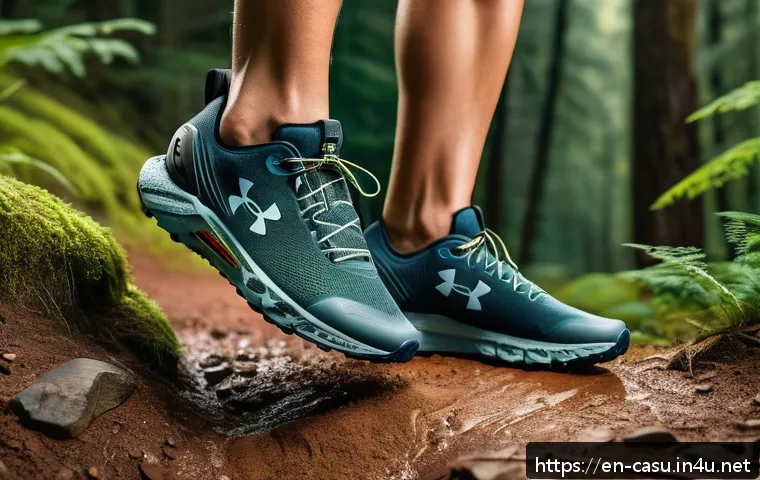
Whether you’re hitting the pavement daily or just starting your fitness journey, finding a shoe that matches your stride is crucial for comfort and performance.
In this post, we’ll dive into what sets these two giants apart and help you decide which brand suits your running style best. Stick around—by the end, you’ll feel confident stepping into your next run with the right kicks.
Innovative Cushioning Technologies That Change the Run
Adidas Boost: The Energy Return Game-Changer
Adidas’ Boost technology has been a standout in the running shoe world, offering a unique cushioning experience that many runners swear by. What makes Boost special is its responsiveness—every step feels like a springboard pushing you forward.
From my own experience, running with Boost shoes feels like the ground is actively helping you move, which reduces fatigue on longer runs. The foam pellets inside the midsole compress and then quickly bounce back, providing energy return that’s both soft and lively.
For those who prioritize a balance of comfort and performance, Boost’s proven durability and adaptability to different running styles make it a dependable choice.
Under Armour HOVR: Balancing Cushion and Stability
Under Armour’s HOVR technology aims to strike a perfect balance between cushioning and stability. Unlike Boost’s bouncy feel, HOVR offers a slightly firmer ride that still cushions impact but keeps your foot more grounded.
When I switched to HOVR for a few weeks, I noticed it absorbed shocks well without feeling like I was losing control of my stride. It’s especially useful for runners who want protection from impact but also need that secure foot placement for speed or trail runs.
Another plus is the energy web mesh inside the midsole, which helps maintain the shoe’s shape over time, preventing the cushioning from breaking down quickly.
Comparing the Two: Which Feels Right?
Choosing between these cushioning systems really comes down to your running preference and body mechanics. If you enjoy a lively, springy sensation that propels you forward, Adidas Boost might be your go-to.
But if you want a more grounded, responsive feel with a bit more stability, Under Armour’s HOVR could suit your needs better. Both technologies have been refined over the years and perform well, but trying them out in person or during a test run is the best way to find your perfect match.
Design and Fit: How They Shape Your Running Experience
Adidas’ Sleek Silhouettes and Adaptive Fit
Adidas often leans into sleek, minimalist designs that don’t just look good but also serve function. Their Primeknit uppers hug the foot like a sock, providing a snug yet breathable fit that adapts to foot shape.
For me, this meant fewer hot spots and blisters on longer runs. The lightweight feel also made a noticeable difference during speed sessions, where every ounce matters.
However, some runners with wider feet might find Adidas shoes a bit narrow, so sizing up or trying different models is worth considering.
Under Armour’s Supportive Structure with Room to Breathe
Under Armour’s running shoes tend to focus on offering a secure fit with more structure around the midfoot and heel. The engineered mesh uppers provide breathability while locking the foot in place, which I personally found reassuring during quick directional changes or hill sprints.
What stood out was the slightly roomier toe box compared to Adidas, which could be a relief for runners with wider feet or those who swell during runs.
The padded collars and tongues also add to overall comfort, making longer runs feel less taxing on the foot.
Fit Comparison Table
| Feature | Adidas | Under Armour |
|---|---|---|
| Upper Material | Primeknit (adaptive, sock-like) | Engineered Mesh (structured, breathable) |
| Fit | Snug, narrow to medium width | Secure, slightly roomier toe box |
| Weight | Lightweight | Moderate weight |
| Support | Flexible, less structured | Firm midfoot and heel support |
| Breathability | High | High with added structure |
Durability and Traction: Ready for Any Terrain?
Outsole Materials and Grip Performance
Adidas typically uses Continental™ rubber on many of their running shoe outsoles, which is known for excellent grip in wet and dry conditions. I’ve tested several Adidas models on slippery city streets and light trails, and the traction held up impressively.
The tread patterns are often designed to be versatile, catering to urban runners and those who occasionally venture off-road. The durability of the outsole also stood out; after many miles, the rubber showed minimal wear.
Under Armour’s Rugged Outsoles for Varied Surfaces
Under Armour focuses on versatile outsole designs that can handle both road running and trail conditions. Their high-abrasion rubber compounds give a rugged feel, and the tread is often deeper, providing extra grip on uneven surfaces.
When I took Under Armour shoes onto gravel and dirt paths, I felt more confident in my footing compared to many road-only shoes. This makes their models appealing for runners who want a do-it-all shoe without switching between pairs constantly.
Long-Term Wear and Tear Insights
From a durability standpoint, both brands hold up well but cater to slightly different use cases. Adidas shoes tend to be more suited for runners who prioritize road running and lighter trail use, with durable midsoles and outsoles built for consistent performance.
Under Armour shoes, meanwhile, offer a bit more toughness for mixed-terrain runners, though their midsoles can sometimes feel firmer and less cushy after extensive mileage.
It’s important to consider your running environment and mileage expectations when deciding which shoe will last longer for you.
Technology Integration: Smart Features for the Modern Runner
Adidas’ Connected Running Experience
Adidas has embraced smart technology with some of their running shoes featuring embedded sensors that connect to the Adidas Running app. I found this integration quite helpful for tracking stride length, cadence, and even foot strike patterns without needing an extra device.
This data allowed me to adjust my form gradually, which I believe helped reduce injury risk over time. While not every Adidas shoe has this feature, the models that do bring a futuristic edge to training and make the brand appealing for tech-savvy runners.
Under Armour’s UA MapMyRun Partnership
Under Armour leverages its MapMyRun platform, and several shoe models link seamlessly to the app for tracking and coaching. Though the shoes themselves may not have embedded sensors like Adidas, pairing them with UA’s ecosystem provides plenty of insights.
I personally appreciated the app’s community features and personalized workout plans, which made sticking to my goals easier. For runners who want a supportive digital companion without the need for smart shoes, Under Armour’s approach is practical and effective.
Choosing Based on Tech Preferences
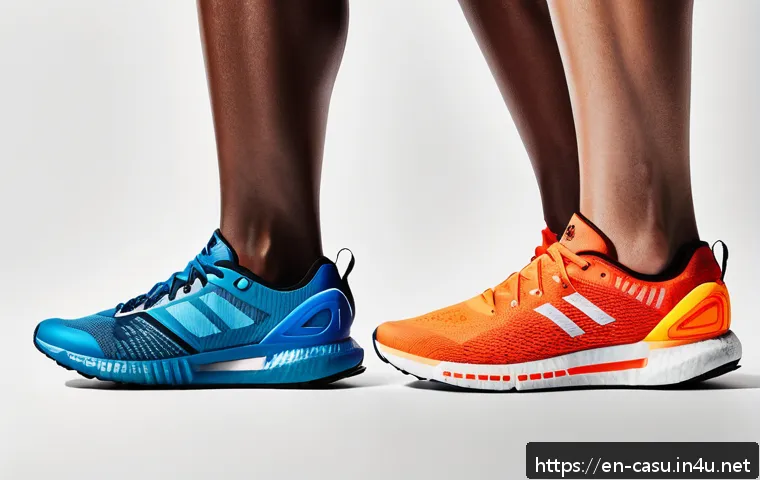
If you’re someone who loves having detailed foot data right from your shoe, Adidas’ sensor-enabled models might be worth exploring. On the other hand, if you prefer a more traditional shoe but want a comprehensive training experience through an app, Under Armour’s offerings paired with MapMyRun deliver solid value.
Both brands show commitment to enhancing the running experience through technology, just with slightly different approaches.
Style and Colorways: Express Yourself on the Run
Adidas’ Trendy, Fashion-Forward Options
Adidas consistently nails the blend of performance and style, offering a wide range of colorways that appeal to fashion-conscious runners. From bold neon hues to sleek monochromes, their designs often cross over into casual wear territory.
I’ve found myself wearing Adidas running shoes not only for workouts but also as everyday streetwear, which is a testament to their versatile aesthetic.
Collaborations with artists and designers keep their lineup fresh and exciting season after season.
Under Armour’s Sporty and Functional Looks
Under Armour tends to focus on functional, athletic styles with clean lines and sporty color schemes. Their shoes look ready for action, which matches the brand’s overall performance-first image.
While they might not be as flashy as Adidas, the colors are practical and often include reflective elements for safety during early morning or evening runs.
Personally, I appreciate that their designs emphasize durability and visibility without sacrificing too much on style.
Mixing Style and Functionality
The choice between Adidas and Under Armour in style comes down to whether you want to make a fashion statement or prioritize a straightforward, athletic look.
Adidas offers more variety for those who want their shoes to pop visually, while Under Armour sticks to tried-and-true sporty aesthetics that highlight performance.
Both brands manage to combine looks with functionality, so you won’t be sacrificing comfort or tech no matter what style you lean toward.
Price Points and Value: What You Get for Your Investment
Adidas Pricing Strategy
Adidas running shoes typically range from mid to high price points, reflecting their investment in advanced materials and technology. From my personal budgeting experience, Adidas shoes feel like a solid investment when you consider the durability, comfort, and the added tech features some models include.
Sales and outlet deals can also make these shoes more accessible. For runners who want to pay a bit more for innovation and style, Adidas offers good value.
Under Armour’s Competitive Pricing
Under Armour often positions their running shoes at slightly more affordable prices, making them attractive to budget-conscious runners who still want performance gear.
I found that for the price, you get solid cushioning, reliable durability, and decent tech integration through the app ecosystem. While you might miss out on some of the flashier materials or design touches of Adidas, Under Armour’s shoes deliver consistent quality and functionality without breaking the bank.
Value Comparison Table
| Aspect | Adidas | Under Armour |
|---|---|---|
| Price Range | $100 – $200+ | $80 – $150 |
| Technology Included | Boost foam, smart sensors (selected models) | HOVR foam, MapMyRun app support |
| Durability | High | Moderate to High |
| Style Options | Wide variety, fashion-forward | Sporty, functional |
| Best For | Runners seeking innovation & style | Budget-conscious performance runners |
Wrapping Up
Both Adidas and Under Armour bring unique strengths to the running shoe market, from innovative cushioning to smart technology integration. Choosing the right shoe depends on your personal running style, terrain preferences, and budget. Whether you prioritize a lively, springy ride or a stable, secure feel, these brands offer reliable options that enhance your running experience. Trying them out firsthand is the best way to find your perfect fit.
Helpful Tips to Remember
1. Always consider your foot shape and width when choosing between Adidas’ snug Primeknit fit and Under Armour’s roomier toe box to avoid discomfort on longer runs.
2. Test shoes on the terrain you run most—Adidas excels on roads and light trails, while Under Armour shines on mixed or rugged surfaces.
3. If tracking performance data is important, explore Adidas’ sensor-enabled shoes or Under Armour’s MapMyRun app for a connected experience.
4. Balance your budget with your needs; Adidas offers high-end tech and style, while Under Armour provides great value without sacrificing key features.
5. Keep in mind that durability varies by shoe model and mileage, so rotate your shoes or replace them as needed to maintain performance and prevent injury.
Key Takeaways
Understanding the differences in cushioning technology, fit, and durability is crucial to selecting the right running shoe. Adidas is ideal for runners seeking innovative energy return and fashion-forward designs, while Under Armour appeals to those who want solid performance and versatility at a more accessible price point. Both brands integrate technology thoughtfully, offering options for every runner’s preferences. Ultimately, your comfort and running goals should guide your choice.
Frequently Asked Questions (FAQ) 📖
Q: uestionsQ1: How do
A: didas and Under Armour running shoes differ in terms of cushioning and support? A1: From my experience and research, Adidas often emphasizes Boost cushioning technology, which delivers a responsive and springy feel that many runners love for daily training and longer runs.
It provides excellent energy return without sacrificing comfort. On the other hand, Under Armour tends to focus on HOVR cushioning, designed to offer a balanced mix of impact absorption and a “zero gravity” feel that reduces fatigue.
If you prefer a softer, bouncier ride, Adidas might suit you better, whereas Under Armour is great if you want solid support with a bit more stability during faster runs.
Q: Which brand offers better options for beginners versus experienced runners?
A: I’ve noticed that Adidas has a broad lineup that caters well to beginners, especially with models like the Adidas Duramo or Solar Glide, which provide comfort and durability at a reasonable price point.
These are forgiving shoes for people just getting into running. Under Armour, meanwhile, often targets runners who are a bit more advanced, offering shoes that focus on performance and speed, like the UA Flow Velociti or HOVR Phantom.
That said, both brands have versatile options, but if you’re new to running, Adidas might make the transition easier.
Q: Are there any notable differences in the durability and price range between
A: didas and Under Armour running shoes? A3: In terms of durability, I’ve found that both brands produce shoes that hold up well under regular use, but Adidas shoes sometimes have a slight edge due to their premium materials and well-crafted outsoles.
Price-wise, Adidas generally positions itself slightly higher on the spectrum, especially for their flagship models, reflecting their advanced tech and design.
Under Armour offers competitive pricing with solid quality, often providing great value for runners who want performance without breaking the bank. Ultimately, your budget and how often you run will guide which brand offers the best cost-effectiveness for you.