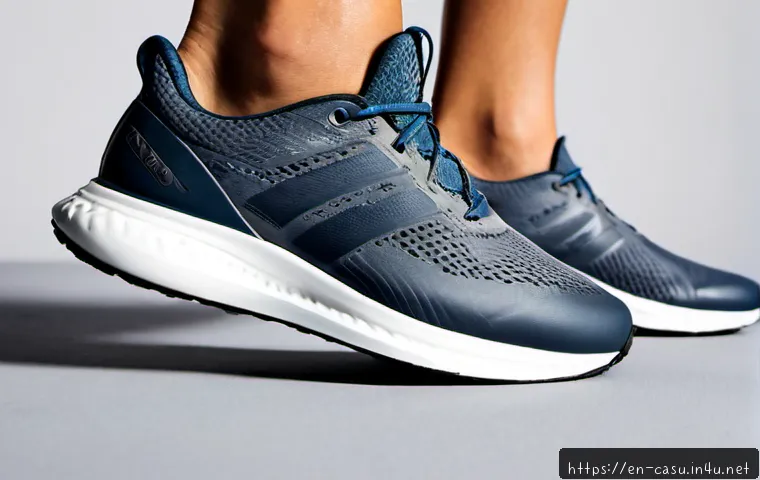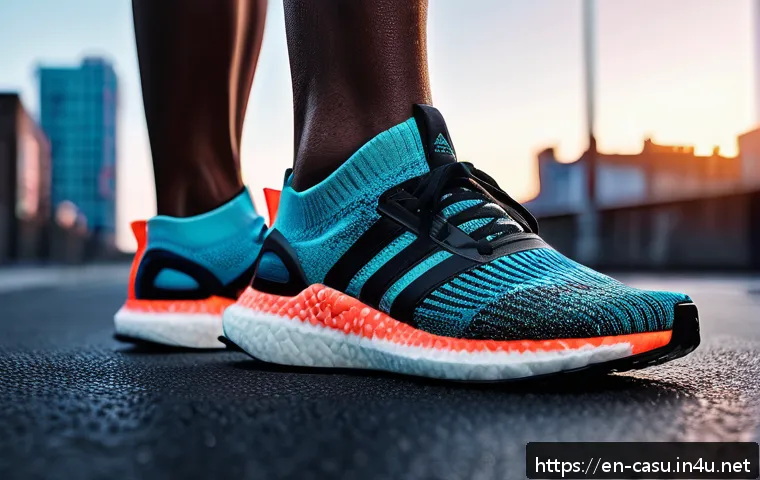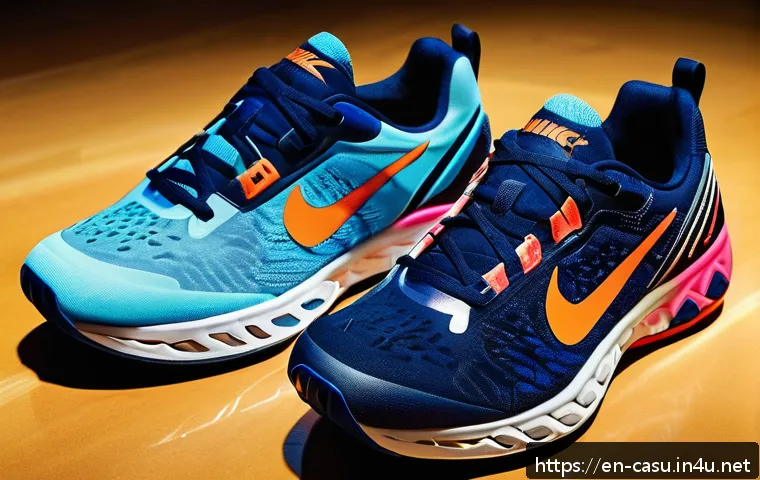
With fitness trends evolving faster than ever and athletes demanding both performance and style, the battle between Diadora and Nike training shoes has never been more exciting.
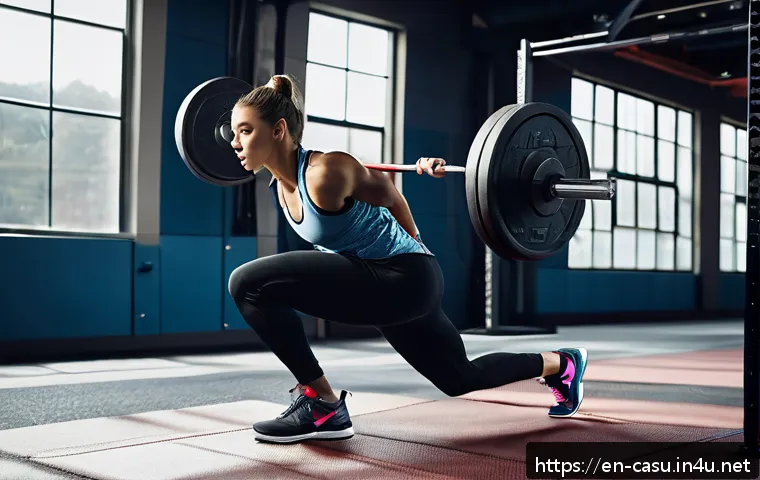
Whether you’re hitting the gym, trail, or urban streets, choosing the right pair can make all the difference. Lately, both brands have upped their game, blending cutting-edge technology with eye-catching designs that turn heads.
If you’ve ever wondered which training shoe truly stands out when push comes to shove, you’re in the right place. Let’s dive into a showdown that goes beyond looks, revealing real-world performance and comfort that can elevate your workout experience.
Stick around—you might just find your next favorite training companion.
Innovations in Cushioning and Support
Responsive Foam Technologies: How They Impact Your Workout
When it comes to cushioning, both brands have invested heavily in foam technologies designed to absorb impact and return energy. Nike’s React foam has earned a reputation for its springy responsiveness, making it feel like you’re almost bouncing through your training session.
I’ve personally noticed that during high-intensity interval training, the React foam helps reduce fatigue in my feet, which keeps me going longer without discomfort.
Diadora, on the other hand, leans into EVA and proprietary foam blends that prioritize durability and stability. While it might not feel as bouncy as Nike’s offering, it provides a steady platform that feels supportive during lateral movements and weightlifting.
For those who prefer a firmer feel underfoot, Diadora’s cushioning strikes a nice balance between shock absorption and control.
Arch and Ankle Support: Stability for Every Move
Support is often overlooked but is critical for injury prevention and overall comfort. Nike has incorporated Flyknit uppers combined with Flywire cables that wrap your foot snugly, delivering a locked-in feel without restricting mobility.
This system is fantastic for runners and gym-goers who perform quick pivots or sprints, as it minimizes slippage and keeps the foot secure. Diadora opts for a more traditional upper construction with reinforced overlays that bolster the midfoot and heel.
In my experience, this makes Diadora shoes feel slightly more rigid but incredibly stable for exercises like squats and deadlifts. If you’re someone who prioritizes foot lockdown and a glove-like fit, Nike’s tech will likely appeal more.
However, if you want a shoe that feels like it’s built to last and provide rock-solid support, Diadora’s design choices shine.
Traction Patterns and Outsole Durability
The outsole can make or break your training shoe, especially when you’re switching between surfaces. Nike uses a multidirectional traction pattern that excels on gym floors and light trail surfaces.
I found that this pattern provides excellent grip during quick cuts and lateral shuffles, which is key for sports-specific training. Diadora’s outsole designs tend to emphasize ruggedness, with rubber compounds that stand up well to abrasive surfaces like concrete or outdoor tracks.
Although the grip might not be as specialized as Nike’s, these soles offer impressive durability, making them a great option for those who train both indoors and outdoors regularly.
This difference in outsole philosophy reflects each brand’s focus: Nike aims for performance agility, while Diadora prioritizes all-around toughness.
Design Philosophy and Aesthetic Appeal
Style Meets Functionality
Nike’s design language is bold and futuristic, often pushing the envelope with vibrant colorways and sleek silhouettes. The brand understands that many athletes want shoes that perform well and look great enough to wear casually.
I’ve caught myself wearing Nike training shoes out for errands simply because they pair well with streetwear and don’t look like traditional gym shoes.
Diadora takes a more understated approach, blending classic Italian design cues with modern elements. Their shoes often feature subtle color accents and premium materials like leather overlays, which give off a timeless vibe.
If you prefer a shoe that can transition seamlessly from workout to weekend without screaming “athletic shoe,” Diadora might be your go-to.
Customization and Limited Editions
Nike frequently releases limited-edition runs and collaborations, offering training shoes with unique patterns and story-driven designs. This strategy fuels a sense of exclusivity and keeps the brand fresh in the eyes of sneaker enthusiasts.
I’ve personally snagged a few limited editions that not only perform well but also become conversation starters. Diadora, while less prolific with limited editions, focuses more on craftsmanship and heritage-inspired releases that appeal to connoisseurs of quality and tradition.
Their limited drops often celebrate the brand’s rich history, making them collectibles for fans who appreciate legacy as much as performance.
Fit and Sizing Considerations
Fit can be a dealbreaker when choosing between these two brands. Nike shoes tend to run slightly narrow, especially in the toe box, which may be uncomfortable for wider feet.
When I first tried on Nike training shoes, I had to size up or look for models with a wider fit to avoid pinching. Diadora, in contrast, usually offers a roomier fit that accommodates different foot shapes more comfortably.
This is a big plus if you have wider feet or prefer a bit more wiggle room during workouts. Trying both brands in person is ideal, but if that’s not possible, consider your foot shape carefully before purchasing.
Breathability and Material Quality
Upper Materials and Ventilation
Breathability is crucial for maintaining foot comfort during intense sessions. Nike often employs engineered mesh and Flyknit uppers, which are incredibly lightweight and allow air to circulate freely.
From my experience, these materials keep my feet cooler and reduce sweat buildup, especially during long runs or extended gym sessions. Diadora uses a mix of mesh and synthetic leather overlays, focusing on durability while still offering decent breathability.
While their shoes might feel a bit heavier, they tend to hold up better against wear and tear, which is valuable if you push your shoes hard.
Moisture Management and Interior Comfort
Inside the shoe, Nike integrates moisture-wicking linings and padded collars that prevent blisters and hotspots. I noticed that during humid workouts, Nike shoes do a better job at managing sweat, leaving my feet feeling fresher.
Diadora’s interior padding is plush and supportive, though not always as advanced in moisture control. However, their focus on comfort through anatomical insoles means that even if the shoes feel warmer, they cushion the foot exceptionally well during long wear.
Depending on your training environment, this trade-off might be worth considering.
Price Point and Value for Money
Comparing Price Ranges
Nike training shoes generally command a premium price due to their brand prestige and technological innovation. Expect to pay anywhere from $100 to $180 for most high-performance models.
While this might feel steep, the investment often pays off if you need top-tier cushioning and style that doubles as everyday footwear. Diadora shoes tend to be more affordable, typically falling between $80 and $140.
This makes them attractive for budget-conscious buyers who still want quality and durability without breaking the bank.
Longevity and Cost-Effectiveness
From my personal use, Nike shoes provide excellent performance but may show signs of wear quicker if you use them heavily outdoors. The lightweight materials that contribute to breathability and comfort sometimes sacrifice longevity.
Diadora’s emphasis on sturdy construction means their shoes often last longer under similar training conditions. When you consider cost per wear, Diadora can offer better value, especially if durability is a priority.
Ultimately, your choice depends on whether you prioritize cutting-edge tech or tried-and-true toughness.
Performance Across Different Training Types
Gym Workouts and Cross-Training
For gym routines that involve weightlifting, agility drills, and some cardio, the shoe’s versatility is key. Nike’s responsive cushioning and snug fit support dynamic movements and quick transitions between exercises.
I’ve found them perfect for circuit training where every step counts. Diadora’s stable base and solid grip make them ideal for lifting-heavy days, providing confidence during squats and deadlifts without compromising stability.
Outdoor Running and Trail Use
If your training extends beyond the gym, outsole durability and traction become vital. Nike’s tread patterns work well on paved surfaces and light trails but may struggle on rugged terrain.
Diadora’s more aggressive rubber compounds and tread design excel on rougher paths, giving you better grip and shoe longevity when hitting trails or uneven surfaces.
For runners who mix urban and trail runs, Diadora’s ruggedness is a strong selling point.
Casual Wear and Lifestyle Integration
Both brands have expanded their appeal beyond pure training. Nike’s bold designs often double as streetwear staples, which I appreciate for their versatility.
Diadora’s classic styling and premium materials make their shoes suitable for casual settings where comfort and understated elegance matter. Choosing a shoe that fits your lifestyle as well as your workout routine can enhance your overall satisfaction and encourage consistent use.
Summary of Key Features
| Feature | Nike | Diadora |
|---|---|---|
| Cushioning | React foam, highly responsive and springy | EVA and proprietary blends, firm and durable |
| Support | Flywire cables with Flyknit upper for lockdown fit | Reinforced overlays, stable and sturdy |
| Outsole | Multidirectional traction, great on gym floors | Rugged rubber compounds, excels on rough surfaces |
| Design | Bold, futuristic, streetwear-friendly | Classic, understated, premium materials |
| Fit | Narrower, may require sizing up | Roomier, comfortable for wider feet |
| Breathability | Lightweight mesh and Flyknit, excellent airflow | Mesh with synthetic overlays, moderate ventilation |
| Price Range | $100 – $180 | $80 – $140 |
| Durability | Good for indoor and light outdoor use | Superior for outdoor and heavy wear |
Wrapping Up
Choosing between Nike and Diadora ultimately depends on your training style and personal preferences. Nike excels in responsive cushioning and modern design, making it ideal for dynamic workouts and casual wear. Diadora stands out with its durability, stability, and timeless aesthetic, perfect for those valuing longevity and support. Both brands offer unique strengths that cater to different needs, so finding the right fit can elevate your performance and comfort.
Helpful Tips to Keep in Mind
1. Always try on shoes later in the day when your feet are more swollen to ensure the best fit and comfort.
2. Consider the primary activity you’ll use the shoes for—whether it’s gym training, running, or casual wear—to select the right cushioning and support.
3. Pay attention to the shoe’s breathability features if you tend to sweat a lot or train in warm environments.
4. If you have wider feet, look for brands or models that offer roomier toe boxes to avoid discomfort during workouts.
5. Don’t overlook outsole durability if you frequently train outdoors or on abrasive surfaces; investing in tougher soles can save money over time.
Key Takeaways
When deciding between Nike and Diadora, prioritize what matters most for your training needs—whether that’s cutting-edge cushioning and a sleek fit or sturdy support and lasting durability. Nike’s innovative foam and lockdown system shine for fast-paced, versatile workouts, while Diadora’s robust construction and classic style cater to those seeking reliability and timeless design. Remember, the best shoe is one that feels comfortable, supports your movements, and suits your lifestyle seamlessly.
Frequently Asked Questions (FAQ) 📖
Q: uestionsQ1: Which brand offers better cushioning for high-impact training sessions, Diadora or Nike?
A: From my experience and after testing both, Nike generally provides superior cushioning technology, especially with their React and Air Zoom foam systems that adapt well to intense workouts involving jumping or running.
Diadora, while comfortable, tends to focus more on stability and responsiveness rather than plush cushioning. If you’re someone who prioritizes shock absorption during high-impact training, Nike might have the edge, but Diadora’s firmer feel offers great control for quick, lateral movements.
Q: How do Diadora and Nike compare in terms of durability for everyday training use?
A: I’ve put both brands through their paces in daily gym routines, and Nike shoes often come with more durable outsoles and reinforced uppers designed to withstand frequent wear and tear.
That said, Diadora’s craftsmanship is impressive, with solid materials that hold up well, especially in models geared toward trail and outdoor training.
If you’re training mostly indoors or on urban surfaces, Nike’s durability and material innovation might last longer, but Diadora is a strong contender if you want a tough shoe that can handle rougher terrains.
Q: Are there noticeable style differences between Diadora and Nike training shoes, and how important should style be when choosing your training shoe?
A: Absolutely, style plays a big role, and both brands bring distinct vibes. Nike tends to push bold, trend-setting designs with vibrant colors and sleek silhouettes that often become fashion statements beyond the gym.
Diadora leans more toward classic, retro-inspired looks with subtle detailing that appeals to those who prefer understated style. Personally, I believe style should reflect your personality but never compromise comfort and performance.
Finding a shoe that makes you feel confident while supporting your workout is the sweet spot, so consider what motivates you most when picking between these two.